

Understanding Sleep Apnea
Sleep apnea is one of the most common sleep disorders, affecting millions of people worldwide. It occurs when your breathing repeatedly stops and starts during sleep, preventing you from getting the restful sleep your body needs. Left untreated, sleep apnea can lead to serious health issues including high blood pressure, heart disease, stroke, and daytime fatigue that impacts your quality of life.
There are three main types of sleep apnea: obstructive sleep apnea (OSA), which is the most common form caused by throat muscles relaxing and blocking the airway; central sleep apnea, where the brain fails to send proper signals to breathing muscles; and complex sleep apnea syndrome, a combination of both.
Common Symptoms of Sleep Apnea
Recognizing the signs of sleep apnea is the first step toward getting the treatment you need. Common symptoms include:
- Loud, chronic snoring — often the most noticeable sign, especially in obstructive sleep apnea
- Gasping or choking during sleep — episodes where breathing stops, often noticed by a partner
- Excessive daytime sleepiness — feeling tired despite a full night in bed
- Morning headaches — caused by fluctuating oxygen levels overnight
- Difficulty concentrating — brain fog and memory issues due to poor sleep quality
- Irritability and mood changes — sleep deprivation takes a toll on emotional well-being
If you recognize these symptoms in yourself or a loved one, the next step is getting a proper diagnosis through a sleep test.
How Is Sleep Apnea Diagnosed?
The gold standard for diagnosing sleep apnea is a sleep study (polysomnography). Traditionally performed in a sleep lab, today you can also take a convenient home sleep test (HST) that monitors your breathing patterns, oxygen levels, and heart rate while you sleep in the comfort of your own bed.
Home sleep testing has become increasingly popular because it is more affordable, more comfortable, and provides reliable results for most patients. The SomFit Pro is an advanced sleep diagnostic device that makes at-home testing easy and accurate. It tracks key metrics including airflow, respiratory effort, blood oxygen saturation, and body position — all the data your doctor needs to make a diagnosis.
CPAP vs BiPAP: Understanding Your Treatment Options
Once diagnosed with sleep apnea, the most effective and widely prescribed treatment is positive airway pressure (PAP) therapy. This involves wearing a mask connected to a machine that delivers pressurized air to keep your airway open while you sleep.
The two main types of PAP therapy are:
CPAP (Continuous Positive Airway Pressure): Delivers a single, constant level of air pressure throughout the night. CPAP is the first-line treatment for most obstructive sleep apnea patients and is highly effective. Browse our full range of CPAP devices to find the right machine for your needs.
BiPAP (Bilevel Positive Airway Pressure): Delivers two different pressure levels — a higher pressure when you inhale and a lower pressure when you exhale. BiPAP machines are typically prescribed for patients who need higher pressures or have central sleep apnea. Explore our CPAP & BiPAP machines to compare your options.
Not sure which type is right for you? Your sleep specialist will recommend the best option based on your sleep study results and individual needs.
Getting Started with CPAP Therapy
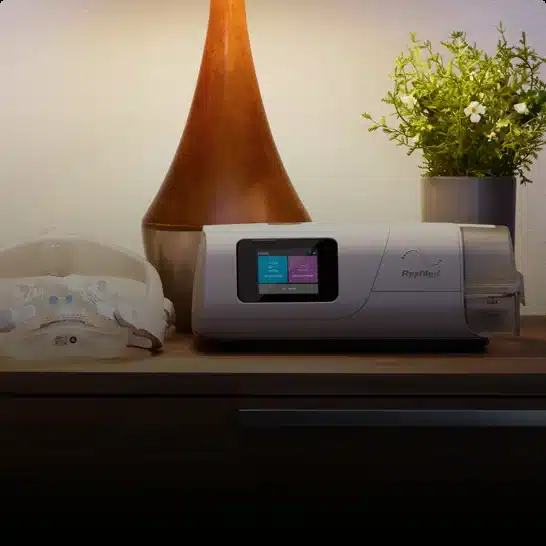
Starting CPAP therapy is a life-changing decision. Modern CPAP machines are quieter, smaller, and more comfortable than ever before. Leading manufacturers like ResMed and Philips have developed machines with advanced features including auto-adjusting pressure, integrated humidifiers, and smartphone connectivity for sleep tracking.
Popular choices among our customers include the ResMed AirSense 11 AutoSet value package, which comes bundled with a mask for excellent value, and the Philips DreamStation 2 Auto CPAP Advanced, known for its compact design and intuitive interface.
Choosing the right CPAP mask is equally important for therapy success. Whether you prefer a nasal mask, a full face mask, or nasal pillows, finding a comfortable fit is key to long-term compliance.
Take the First Step Today
If you suspect you may have sleep apnea, don’t wait. Early diagnosis and treatment can dramatically improve your sleep quality, energy levels, and overall health. Start with a home sleep test to get answers from the comfort of your home, then explore our CPAP shop for the latest devices from trusted brands.
Have questions about sleep apnea or CPAP therapy? Our team of respiratory therapists is here to help you find the right solution for better sleep.

Leave A Comment